
Guide · 8 min read
University campus fit-out UAE: working inside a live campus
A university campus fit-out in the UAE is not a standard commercial job. Teaching hours, safety rules, phased handovers and facility-team coordination change how the contractor must work. Here is what to ask before you tender.
By the Beavcon engineering team Published Updated Reviewed by the Technical Manager Registered with the Society of Engineers UAE and Abu Dhabi Municipality
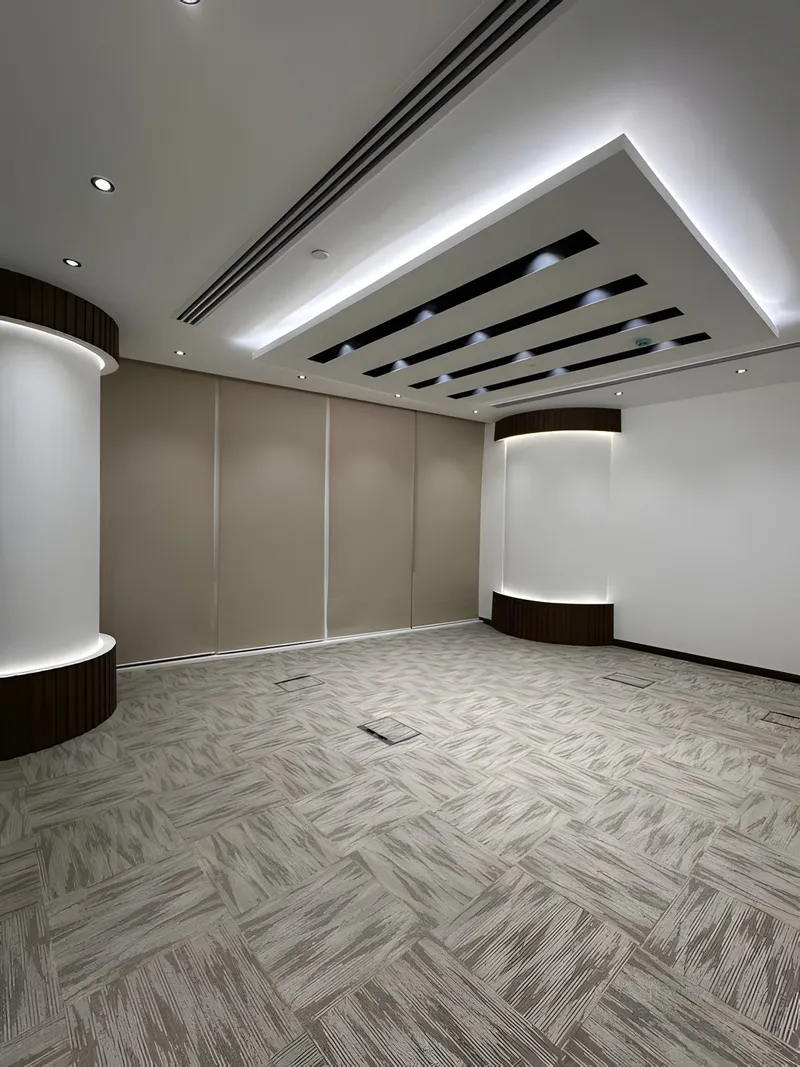
A university campus fit-out in the UAE has to be planned around a campus that stays open: teaching continues, researchers remain in adjacent rooms, and the facility team keeps running the building while the contractor works. The contractor you choose must be able to phase the work, control noise and dust, coordinate with campus security and facility management, and hand over each area with the records the university needs. This guide explains which types of contractor work on campus refurbishments, what a university should ask before awarding a package, and how a fit-out is actually run inside a live campus.
Which types of contractor can work on a university campus refurbishment?
A campus refurbishment is rarely one trade. Depending on the scope, a university may appoint a main contractor, a fit-out contractor, an MEP contractor, or specialist subcontractors for aluminium and glass, waterproofing, HVAC or strip-out. The key difference on a campus is that each of them must work inside the university’s operating rules, not just to a drawing set.
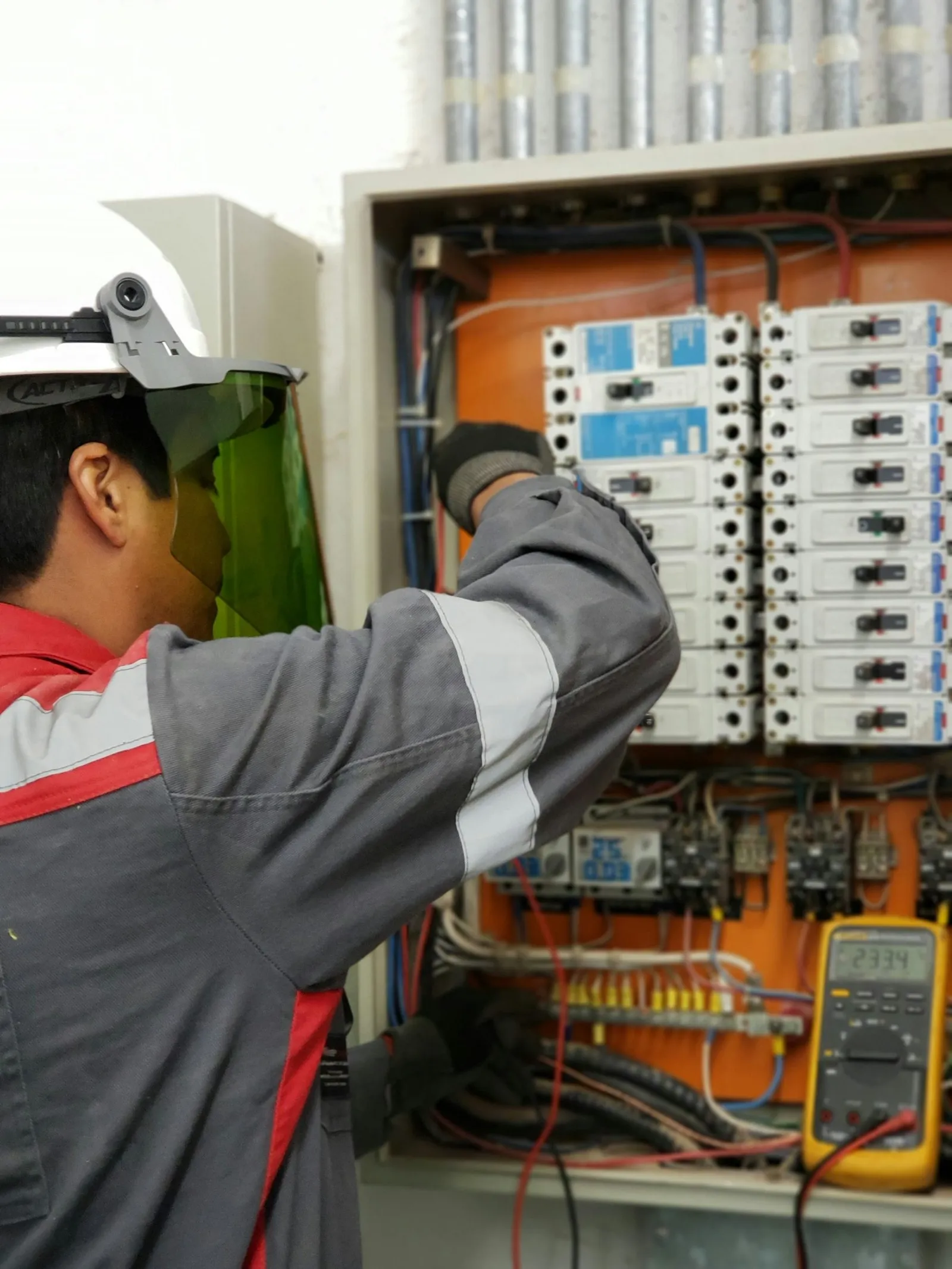
A main contractor or building contractor takes responsibility for the whole package, including civil works, partitions, finishes and the coordination of MEP trades. On a campus, that contractor also becomes the single point of contact for the facility team, security and the consultant. A fit-out contractor typically handles the interior package: partitions, ceilings, flooring, joinery, painting and the finishing trades. An MEP contractor delivers electrical, plumbing, drainage, firefighting and HVAC modifications, and must coordinate isolations and shutdowns with the campus operations team. Specialist contractors may take aluminium and glass, waterproofing, or controlled strip-out, but they still need the same site discipline: permits, inductions, waste routes and noise limits.
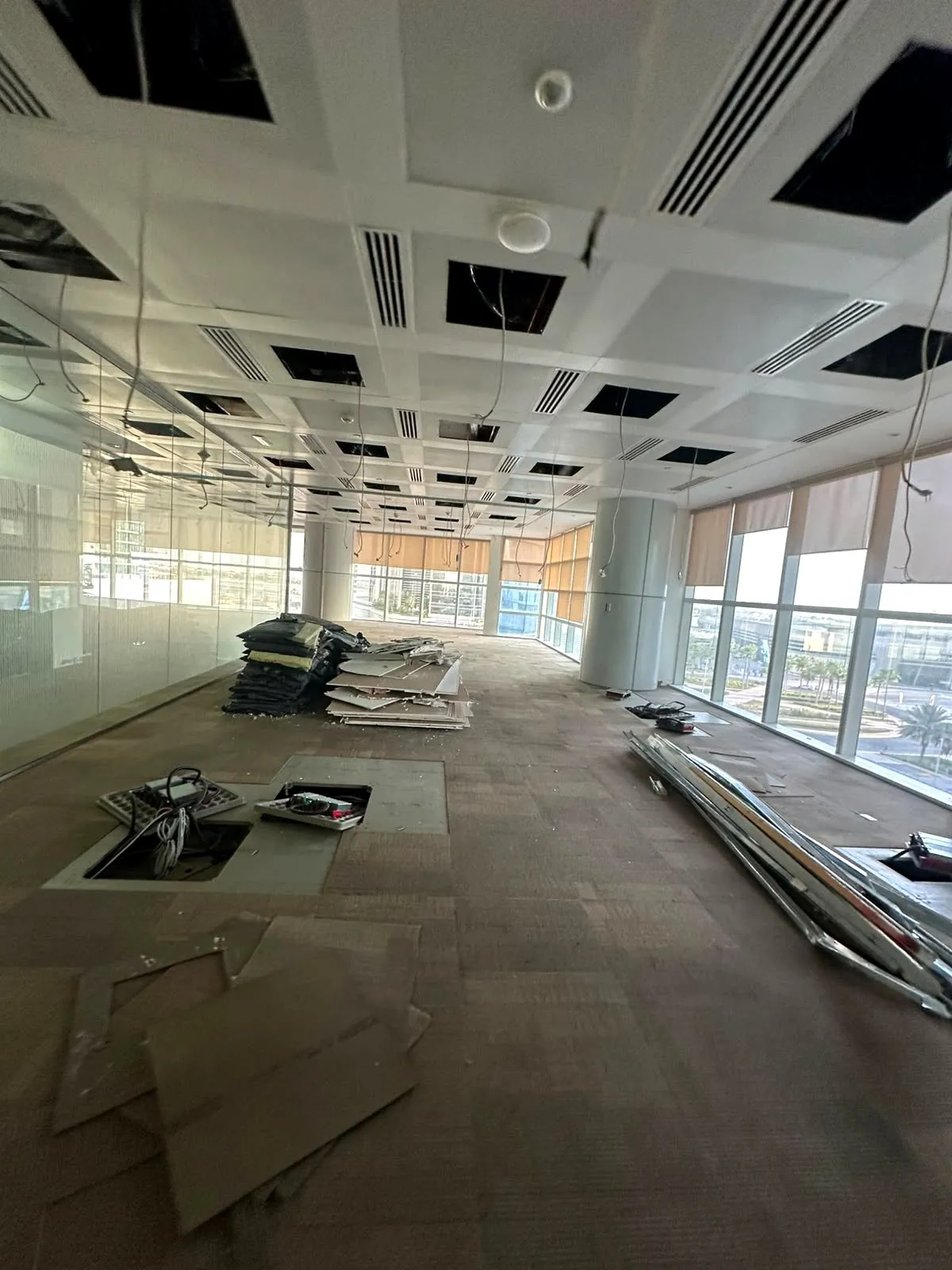
Beavcon delivered interior fit-out, civil support, gypsum partitions, decorative cladding, painting and finishing at Khalifa University in Abu Dhabi between 2023 and 2024. The constraint was an operating university campus, with facility and safety requirements enforced throughout. That is the normal shape of campus work: multiple trades under one contractor, with the campus rules applied to every trade.
What should a university ask a contractor before a campus fit-out?
Before a campus fit-out is tendered, the university should ask questions that go beyond price. The answers reveal whether the contractor can work inside a live campus or only on an empty site.
Ask who will be the single point of contact for the facility team, security and the consultant. On a campus, the contractor’s site manager and project engineer are the people who will book access, arrange escorts, and confirm isolations. If the contractor cannot name them, the coordination will fall back on the university.
Ask how the contractor will phase the work. A campus fit-out is usually delivered in zones, with each zone handed over before the next starts. The contractor should be able to show a programme that respects teaching hours, exam periods and research activities, and that identifies which areas stay operational during each phase.
Ask how the contractor will manage noise, dust and vibration. Cutting, drilling and demolition inside an occupied campus building need controls that a standard commercial fit-out may not. The contractor should describe the containment measures, the working-hour restrictions they expect, and how they will monitor and report.
Ask what documentation the contractor will produce at handover. A university needs inspection records, material approvals, testing certificates, as-built drawings and snag closure records. The contractor should be able to show a documented close-out process, not a verbal promise. Our article on documented close-out for occupied-building fit-out in Dubai sets out what that file should contain.
Ask how the contractor handles authority and consultant approvals. Requirements vary by emirate, free zone, master developer and landlord, and a campus may have its own additional rules. The contractor should be able to say which approvals they will manage and which the university or its consultant must issue. The university should confirm the current requirements with the relevant authority or its consultant.
Use this checklist when you meet a contractor for a campus fit-out:
- Single point of contact for facility, security and consultant coordination
- Phased programme that protects teaching, exams and research activities
- Noise, dust and vibration controls for occupied areas
- Access, induction and permit process for staff and subcontractors
- Isolation and shutdown procedure for MEP and HVAC works
- Documented close-out file: inspections, tests, as-builts, snags
- Authority and consultant approval responsibilities defined before start
How is a fit-out run inside a campus that stays open?
The working method changes in four practical ways: access, phasing, services and records.
Access is controlled from day one. Workers are inducted, badged where required, and escorted in sensitive areas. Deliveries are booked, and materials are moved through agreed routes, not the main student entrances. Waste is removed through designated routes and at agreed times. On a campus, the contractor’s site team often spends more time coordinating access than on a standard commercial floor.
Phasing usually replaces a single continuous programme. The contractor divides the work into zones and, where the university requires it, hands one zone over before moving to the next. Each handover should be a formal milestone, not an informal walk-through. The university can then bring a teaching room, laboratory or office back into use while work continues elsewhere.
Services are isolated and reinstated in short, planned windows. Electrical shutdowns, water isolations and HVAC interruptions are agreed with the facility team in advance. The contractor works around the campus calendar, not against it. This is the same discipline required in an occupied tower, where a goods lift booking or a fire alarm isolation can delay a programme if it is not planned. Our article on fit-out in an occupied tower explains what actually delays the programme in that environment, and the same logic applies on a campus.
Records are kept throughout, not assembled at the end. Inspection requests, material approvals, test results and snag lists are maintained as the work proceeds. At handover, the university receives a documented file it can keep for future maintenance and audits.
What changes when the fit-out is inside an operating campus?
An operating campus adds constraints that a shell-and-core or vacant-building contractor may not price for. Teaching hours limit noisy work. Research equipment may be sensitive to dust and vibration. Security rules restrict who can enter and when. The facility team may require the contractor to work around planned maintenance or campus events. Parking and delivery access are often tighter than on a commercial site.
These constraints are not optional. They are part of the scope, and they should be written into the RFQ. A contractor who has not worked on a campus may underprice the coordination and then claim variations later. A contractor who has worked on a campus is more likely to ask about these constraints before pricing, because they tend to drive the programme. For the general checks to run on any contractor, see how to prequalify a building contractor in Dubai, and for the records a handover should hold, see documented close-out for occupied-building fit-out in Dubai.
How Beavcon handles this
Beavcon delivers Commercial Fit-Out in Dubai and Abu Dhabi: office and floor-plate fit-outs inside live towers, with consultant and authority coordination.
Related delivered work:
- Khalifa University (Abu Dhabi, 2023–24): Interior fit-out, civil support, gypsum partitions, decorative cladding, painting, finishing. Operating university campus with facility and safety requirements enforced throughout.
- ADNEC Tower, 2nd Floor (Abu Dhabi, 2026): Full fit-out: demolition, partitions, specialty ceilings, electrical and HVAC, firefighting, automated glass, furniture and carpet. Occupied tower; consultant and authority approvals on the critical path.
To start, send us your enquiry: upload the drawings and scope through BuildScope, or request a site visit through our contact page.
Related service: Commercial Fit-Out.
General guidance; confirm requirements with the relevant authority or your consultant.